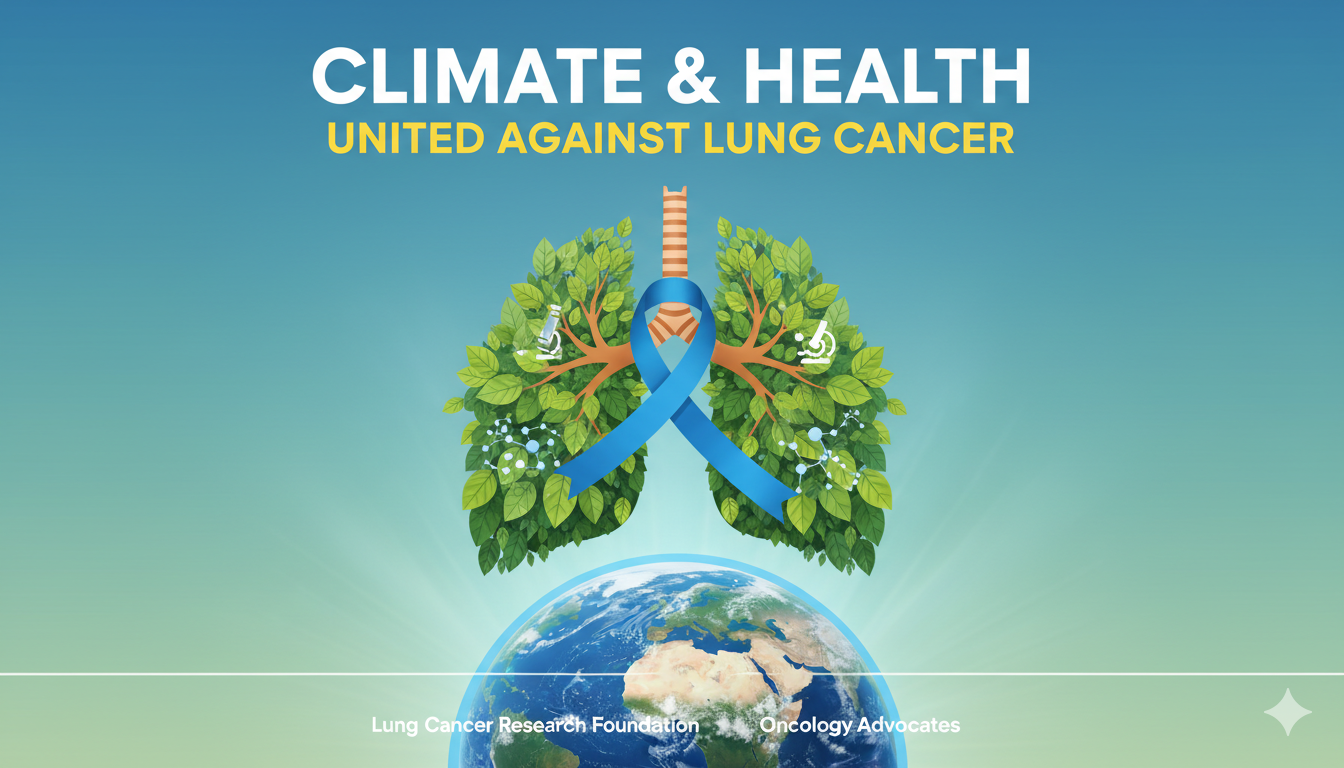
“The Lung Cancer Research Foundation and Oncology Advocates United for Climate and Health – International have launched a collaborative grant program, offering $200,000 to study air pollution and climate change’s effects on lung cancer, with proposals now open for submission.”
The partnership between the Lung Cancer Research Foundation (LCRF) and Oncology Advocates United for Climate and Health – International (OUCH-I) marks a significant step in addressing the environmental factors exacerbating lung cancer. This initiative focuses on funding research that explores how air pollution and shifting climate patterns influence cancer development, diagnosis, treatment efficacy, and patient outcomes, while also seeking ways to reduce these risks.
Air pollution has emerged as a critical threat, contributing to nearly a third more lung cancer deaths despite declines in smoking rates. Classified as a carcinogen, pollutants from industrial emissions and wildfires heighten risks for both smokers and non-smokers. Globally, outdoor air pollution ranks as the second leading cause of lung cancer mortality, with indoor sources not far behind. The collaboration aims to deepen understanding of these links, potentially improving screening protocols, public education, and preventive measures amid rising cases among individuals without traditional risk factors, particularly younger demographics.
Grant Program Details
The OUCH-International and LCRF Research Grant Program on the Effects of Air Pollution and Climate Change on Carcinogenesis and Lung Cancer Prevalence provides a $200,000 award over two years, supported by pharmaceutical sponsorship. Researchers are encouraged to propose projects that innovate in mitigation strategies, such as policy interventions or technological solutions to curb pollution’s impact on vulnerable populations.
Key Research Priorities
| Aspect | Description |
|---|---|
| Award Amount | $200,000 over 24 months |
| Focus Areas | Environmental pollution’s role in lung cancer risk, diagnosis, treatment, outcomes; mitigation innovations |
| Eligibility | Open to qualified investigators; detailed criteria available via application portal |
| Submission Deadline | Proposals accepted until early summer |
| Review Process | Evaluated by scientific advisory boards from both organizations |
Investigating mechanisms by which pollutants accelerate carcinogenesis in lung tissues.
Assessing climate change’s amplification of exposure through events like increased wildfires.
Developing equity-focused approaches to address disparities in affected communities.
Exploring intersections with other health factors, such as combined effects with genetic predispositions.
This funding builds on LCRF’s track record of investing over $50 million in hundreds of grants, driving advancements in targeted therapies and early detection. OUCH-I, as a non-profit dedicated to climate’s toll on cancer care, brings expertise in advocacy and sustainable practices, emphasizing education for healthcare professionals and policymakers.
Broader Implications for Healthcare Investment
From a financial perspective, such collaborations highlight growing investments in intersectional health research. Pharmaceutical backing underscores the economic incentives for addressing environmental risks, potentially reducing long-term healthcare costs associated with rising cancer incidences. Analysts note that initiatives like this could influence stock valuations in biotech and environmental sectors, as successful outcomes may spur regulatory changes and new market opportunities for clean air technologies.
Organizational Overviews
LCRF stands as a leading funder of innovative lung cancer studies, prioritizing breakthroughs that extend patient survival through grants in areas like biomarker discovery and personalized medicine.
OUCH-I operates as the sole international entity tackling climate’s direct threats to oncology, promoting actions across advocacy, research, and resilient care delivery to foster health equity amid global warming.
Disclaimer: This news report is for informational purposes only and does not constitute medical, financial, or investment advice. Sources are based on publicly available information and should not be relied upon for decision-making.