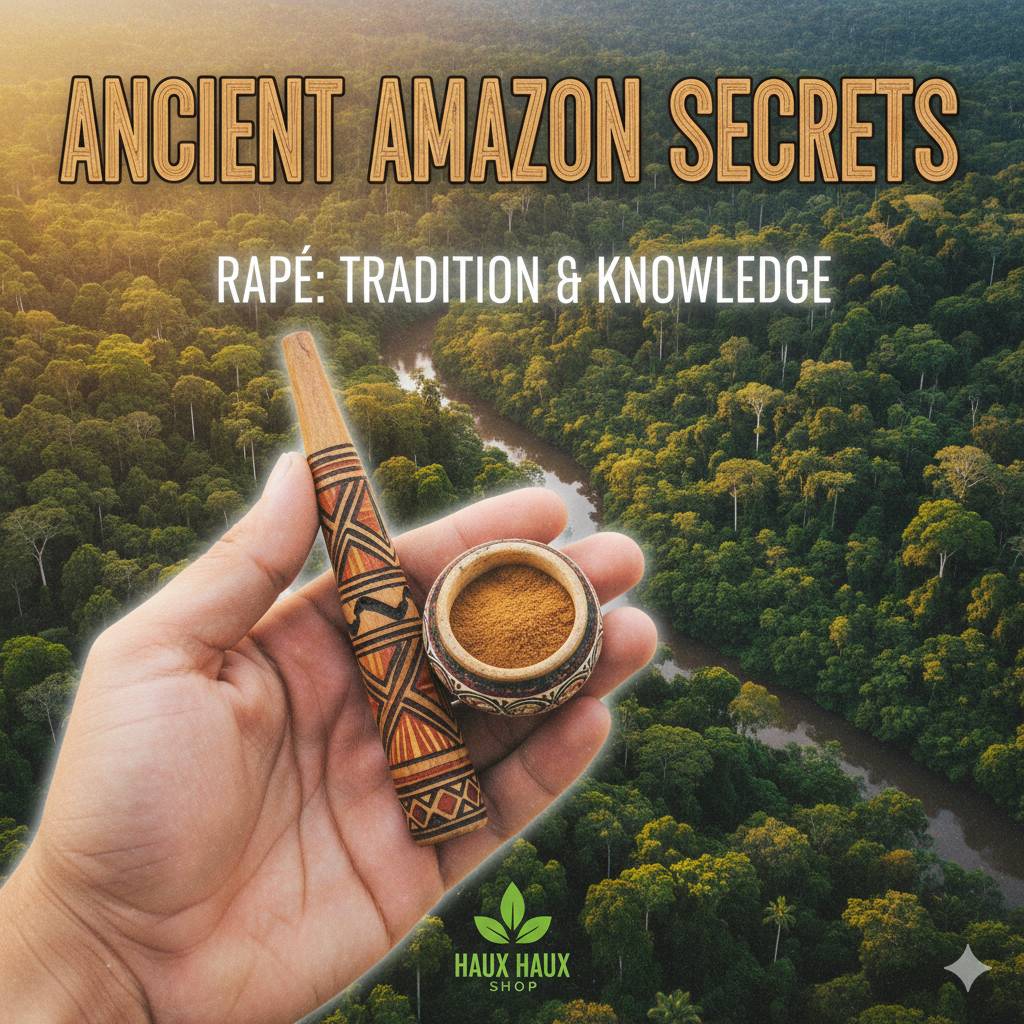
“In an era where interest in natural and spiritual wellness surges, ancient Amazonian plant medicines like rapé are gaining prominence beyond indigenous communities. Haux Haux Shop stands out by providing authentic, traditionally prepared rapé blends alongside educational resources that illuminate the cultural and ceremonial significance of this sacred snuff, fostering respectful engagement with its deep-rooted Amazonian heritage.”
The Resurgence of Interest in Amazonian Plant Medicines
Rapé, also known as hapé or rapeh, has long been a cornerstone of spiritual and medicinal practices among indigenous tribes in the Amazon Basin. This sacred snuff, traditionally prepared from Nicotiana rustica tobacco combined with ashes from sacred trees and other medicinal plants, serves multiple purposes in tribal life. It is administered nasally using a pipe called a tepi (for serving others) or kuripe (for self-administration), often in ceremonial settings to promote clarity, grounding, energetic cleansing, and connection to nature and spirits.
The word “haux” (sometimes spelled “raux” or chanted as “haux haux”) carries profound meaning in certain Amazonian contexts, often used as a sacred invocation or blessing in rituals, prayers, and healing ceremonies among tribes like the Huni Kuin. It symbolizes alignment, gratitude, and the activation of spiritual energies. Shops and practitioners drawing on this term emphasize reverence for these traditions.
In recent years, global curiosity about plant-based ancestral medicines has accelerated. This trend aligns with broader movements toward holistic wellness, mindfulness practices, and alternatives to conventional pharmaceuticals. People in the United States and elsewhere seek tools for stress reduction, emotional balance, meditation enhancement, and spiritual exploration. Rapé fits into this landscape as a non-psychedelic yet profoundly centering medicine that can be incorporated into daily rituals or group ceremonies.
Haux Haux Shop’s Role in Bridging Traditions and Modern Seekers
Haux Haux Shop has emerged as a notable provider in this space, focusing on authentic ceremonial rapé sourced from trusted Amazonian origins. The shop offers a range of blends crafted using ancient preparation methods passed down through generations. These include traditional recipes featuring ashes from trees like Tsunu, Samaúma, or others, blended with medicinal herbs to achieve specific energetic effects such as cleansing, focus, heart-opening, or grounding.
What distinguishes Haux Haux Shop is its commitment to education. Through detailed product descriptions, blog-style explanations, and resources on their platform, they delve into the cultural context of rapé. Visitors learn about its pronunciation (“ha-pay”), historical use in tribes such as the Huni Kuin, Yawanawá, Katukina, Nukini, and others, and the ceremonial protocols that surround its application. This approach helps demystify the practice for newcomers while stressing respect for indigenous knowledge and avoiding appropriation.
The shop provides tools like applicators (tepi and kuripe pipes) made from natural materials, enabling proper and intentional use. Blends vary in strength and intention—some emphasize physical cleansing and sinus relief, others spiritual alignment or emotional release. Many preparations honor specific plant spirits, with ingredients selected for their traditional roles in balancing body, mind, and energy fields.
Understanding Rapé’s Preparation and Traditional Uses
Rapé preparation is a ritual in itself. Indigenous makers gather plants during appropriate seasons, often with prayers and offerings. The tobacco is cured, ground finely, and mixed with ashes from burning selected barks or woods. Additional herbs, seeds, or leaves contribute unique properties—some blends incorporate cacao elements for heart-centered effects, others include anti-inflammatory or clarifying plants.
In Amazonian communities, rapé serves diverse functions:
Pre-hunt focus — sharpening senses and intention.
Ceremonial integration — often preceding or following ayahuasca or other plant diets.
Daily wellness — clearing “panema” (heaviness or bad luck), promoting tranquility.
Healing rites — addressing physical ailments, emotional blockages, or spiritual disharmony.
Users report immediate effects: a rush of clarity, heightened awareness, temporary discomfort (tears, purging sensations), followed by profound calm and presence. Nicotine content provides mild stimulation, but the overall experience transcends recreational use due to the sacred intent and plant synergies.
Key Benefits and Reported Experiences
Many contemporary users turn to rapé for:
Mental clarity and focus during meditation or work.
Emotional release and stress reduction.
Energetic realignment and chakra balancing.
Support for mindfulness practices.
Physical benefits like sinus clearing or respiratory support.
While individual responses vary, the medicine’s grounding quality makes it popular in yoga, breathwork, and integration circles post-psychedelic experiences.
Cultural Sensitivity and Responsible Engagement
As interest grows, emphasis on ethical sourcing and cultural respect becomes crucial. Authentic providers prioritize direct relationships with indigenous communities, ensuring fair compensation and preservation of knowledge. Education plays a key role in preventing misuse, highlighting that rapé is tobacco-based and requires mindful use to avoid dependency.
Haux Haux Shop contributes by offering transparent information on origins, preparation, and respectful protocols, encouraging users to approach the medicine with humility and gratitude.
The Broader Landscape of Ancestral Wisdom
Rapé represents one thread in a rich tapestry of Amazonian plant traditions. Its rising profile coincides with increased visibility of other medicines like sananga eye drops, kambo, and ceremonial cacao. This revival underscores a global shift toward reconnecting with nature’s intelligence and indigenous wisdom in addressing modern challenges of disconnection and imbalance.
Through platforms like Haux Haux Shop, seekers gain access not just to products but to insights that honor the depth of these traditions, inviting thoughtful participation in ancient practices adapted for contemporary life.
Disclaimer: This article is for informational purposes only and does not constitute medical, legal, or professional advice. Plant medicines should be approached with caution, respect, and ideally under guidance from knowledgeable practitioners. Individual results may vary, and responsible use is essential.